Our Locations:
WEST BRANCH
273 Bukit Batok East Ave 4, #02-78, Singapore 650273
NORTH BRANCH
160 Yishun Street 11, #01-198 Level 2, Singapore 760160
Email: hello@adatuition.com
Phone: (65) 9143 1143

Education That Builds Confidence, Not Just Grades
At ADA Tuition, we have learned something important over the years.
When a student struggles academically, it is rarely just about the subject.
More often, it is about confidence, communication, and belief.
The ADA Method is our holistic approach to tuition and mentorship. It supports not only the student, but also the family, because real progress happens when everyone is aligned.
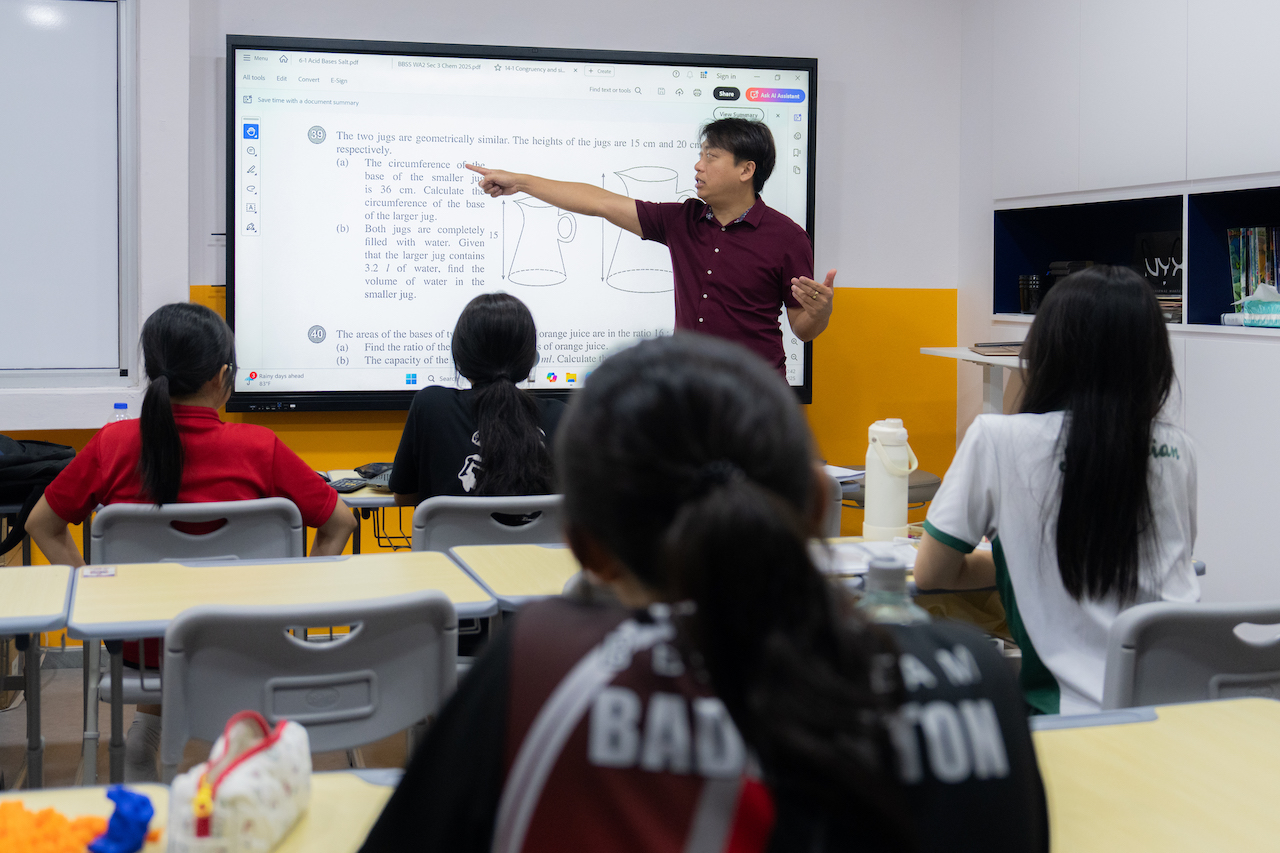
Many students in Singapore work hard but still feel stuck.
They may doubt themselves, shut down emotionally, or feel constant pressure at home.
We noticed a common pattern:
That is why ADA was built differently. We focus on the root causes first, then guide students towards academic success with purpose.
We do not believe in labelling students as weak or slow.
Instead of asking what is wrong, we ask what support is missing.
Every child is a seedling: With the right environment, encouragement, and guidance, that seedling can grow.
Our role is to create the conditions for that growth to happen.
To understand what is really happening beneath the surface, we:

What families experience:

Over time, we work on:
Real confidence takes time to build. Phase 2 is where consistent mentorship makes the difference.
We then give parents simple, practical actions they can apply immediately. These may include:

Many parents want the best for their child, but stress and fear can shape how they communicate.
At ADA, we actively guide parents to:
Sometimes, the most powerful shift is reminding parents that their role is simple and meaningful. Provide safety, nourishment, and unconditional love.
When parents change how they respond, children change how they behave.
Students are more motivated when they understand why they are studying.
We help them make sense of:
When goals feel real and achievable, students begin to take ownership of their learning.
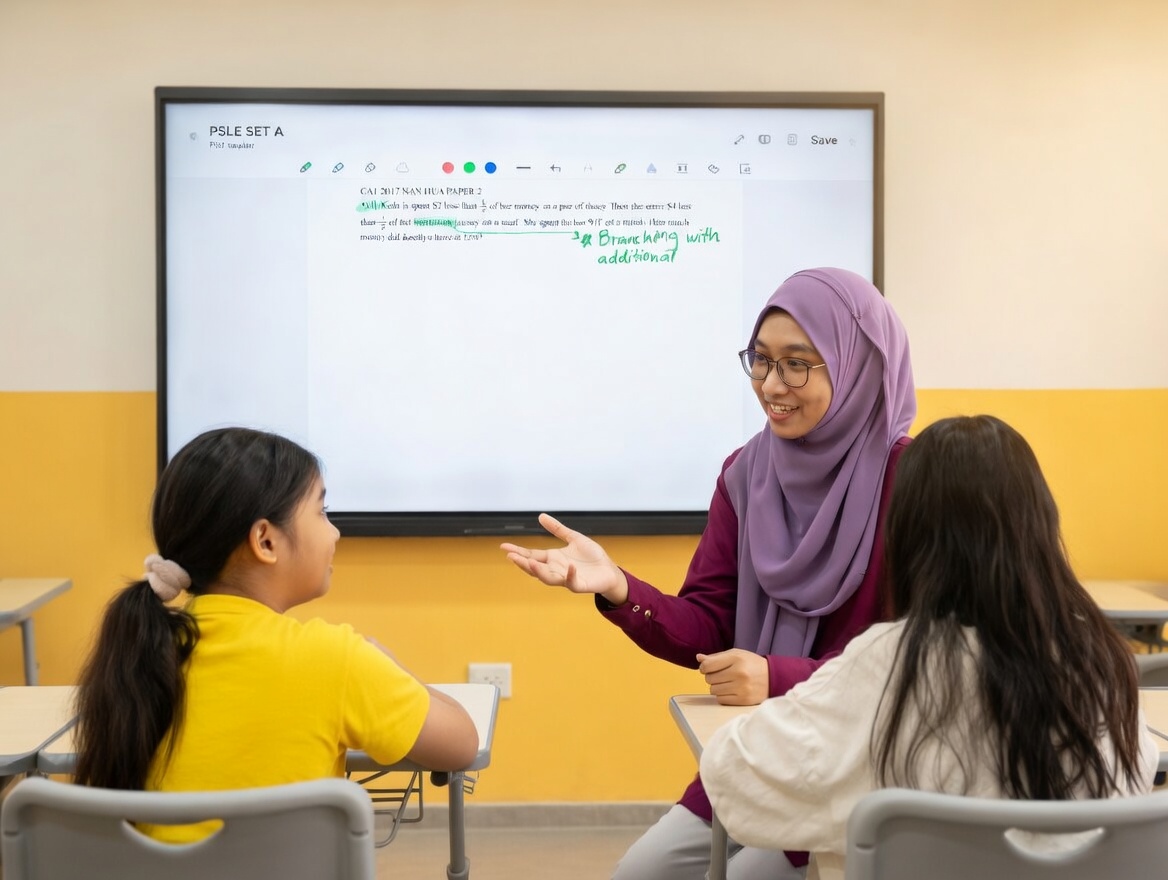
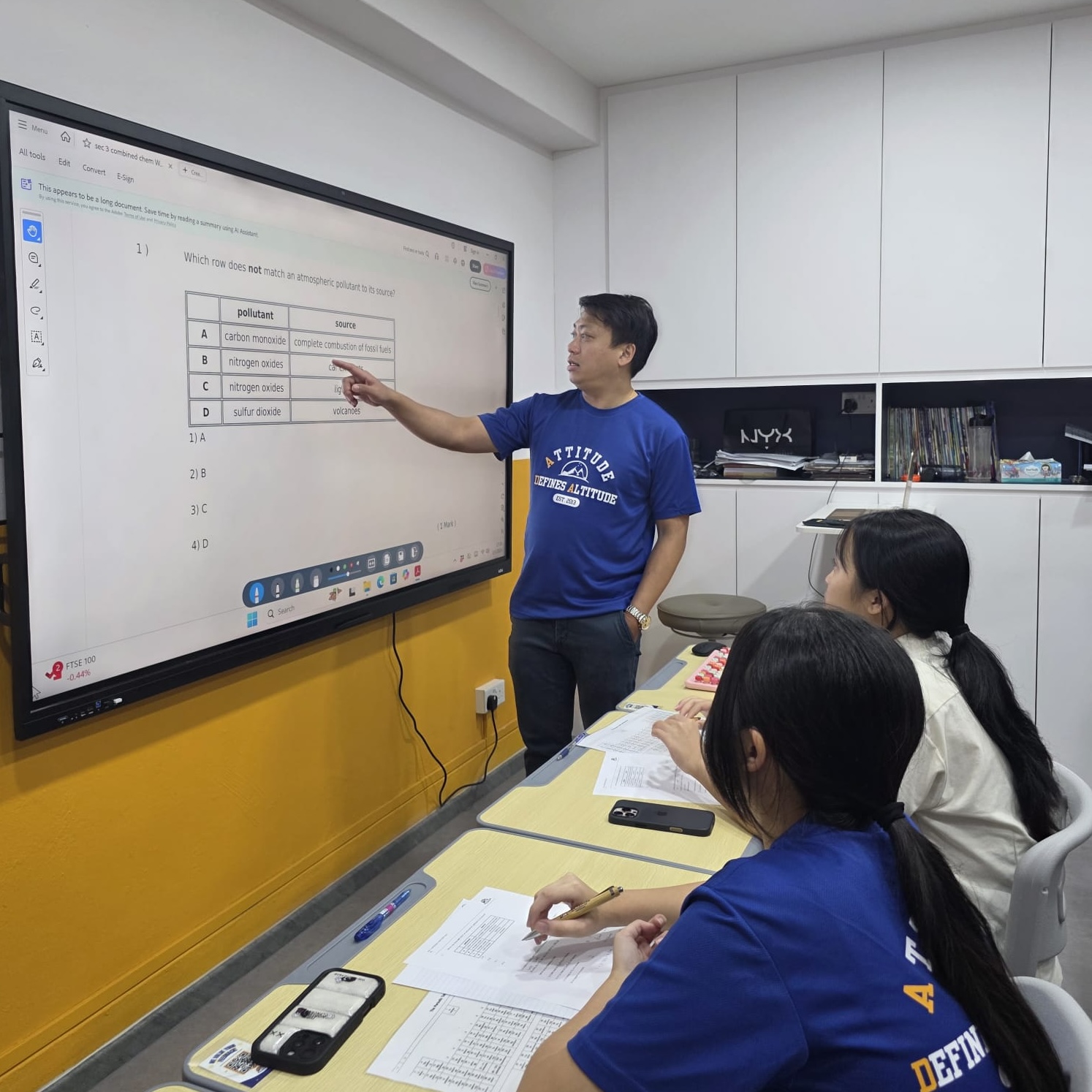
Students are more motivated when they understand why they are studying.
We help them make sense of:
For many students, ADA becomes a stable place where they feel understood and supported when they need it most.